
Is your service price supporting the time it takes?
Look at the full appointment, its costs and the time behind the price.
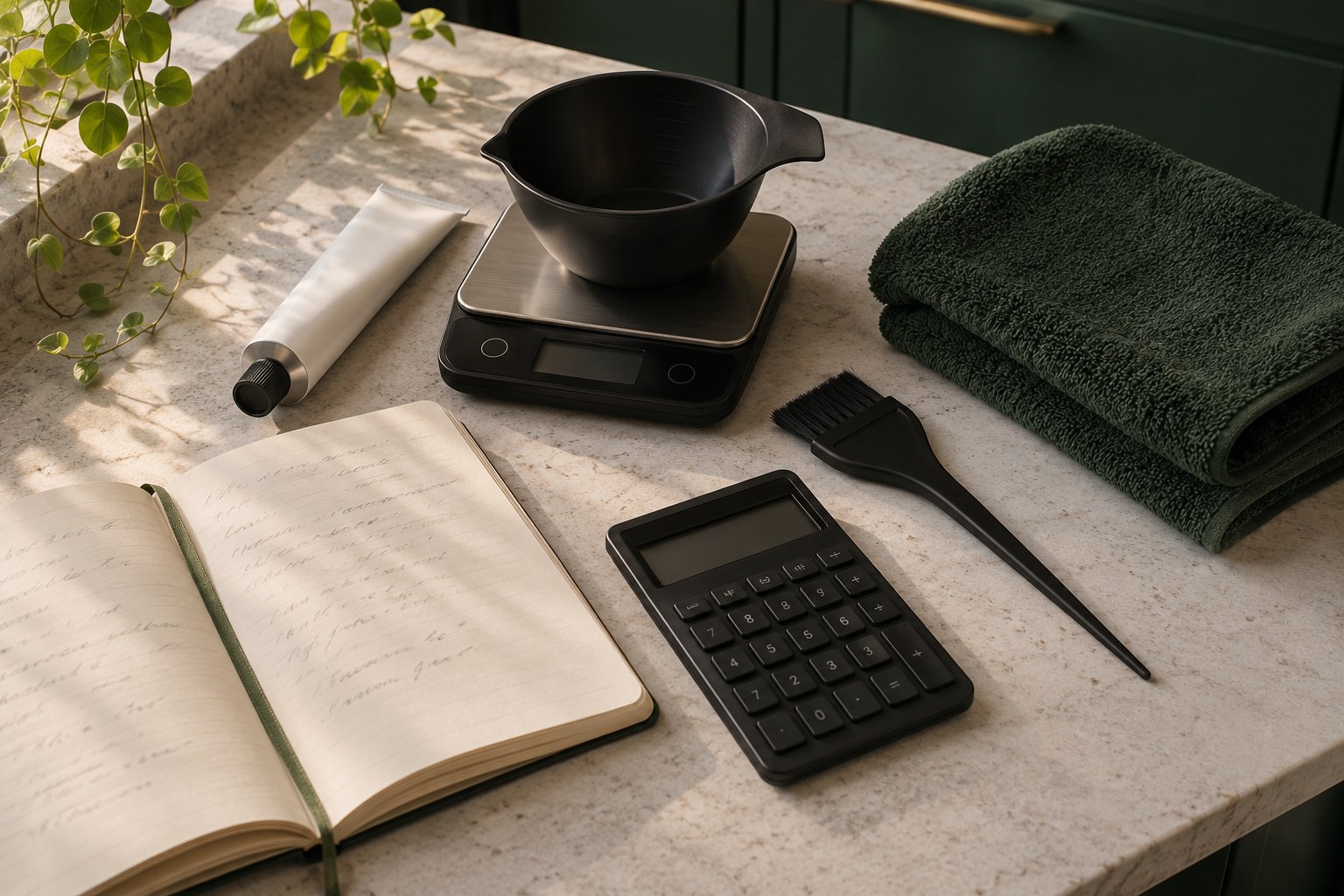
That color appointment was booked for three hours. Four hours later, your client loves the result, but you still have bowls to wash and a station to reset.
The price stayed the same. The time needed to earn it changed.
Before deciding whether to raise your price, take a closer look at the whole appointment: what it includes, what it costs and how long it actually takes.
01Count the work clients don’t always see
Your service starts before the first foil and continues after the finished photo.
Include consultation, setup, application, required processing and observation, finishing and cleanup when measuring appointment time. Use the same starting and ending points each time.
Track a few similar appointments. Your quickest client may not represent a typical visit, and one unusually complicated service may not tell the whole story either.
Notice what changed. Was more product needed? Did the consultation reveal a different starting point? Did the booked service match the work the client wanted?
Those details can help you review the service description and booking time alongside the price.
02What does one extra hour change?
Here’s a fictional example in US dollars for an independent stylist business.
Service price: $250
Direct costs included in this example: $50
Amount left after those costs: $200
For this comparison, the price and listed costs stay the same. Payment fees, other unlisted costs, shared overhead, owner pay and taxes are excluded.
If the appointment takes three hours:
$200 ÷ 3 = $66.67 per appointment hour
If it takes four hours:
$200 ÷ 4 = $50 per appointment hour
The appointment still leaves $200 after the costs shown. That amount now supports four hours instead of three, so the hourly figure is 25% lower.
Neither figure is take-home pay or final profit. Both still need to help cover the expenses and obligations left out of this example.
The useful takeaway is to review the time, scope and price together. Rushing the service or skipping necessary steps would hide the problem rather than solve it.
03Give every cost one place
Start with what the appointment uses: measured product, disposables and applicable payment fees.
Then look separately at shared expenses such as rent, insurance and software. Those bills still need funding even when they aren’t attached to one client.
Count each cost once. If a product or fee is already included in your service costs, don’t subtract it again elsewhere. Keep an unknown amount marked as unknown until you can check it.
If you test a different price, recalculate any percentage-based fees too. A higher selling price can change the fee you pay.
04Decide what needs adjusting
An appointment that regularly runs long may need a more realistic booking slot, clearer service inclusions, a different price or a combination of changes.
Before changing the menu, ask:
- Does the booking allow the full time the service needs?
- Are the costs based on what I actually use?
- Have I counted each cost once?
- What remains for shared expenses and compensation for my work?
- Can I explain the price and inclusions before the appointment?
Follow Chair Talk and Chair Math on Instagram for more practical conversations about the business behind your chair.
Educational example only. Figures are illustrative, not recommended prices or personalized financial advice.